The Hellenic Society for the Protection of Nature (HSPN)
The Hellenic Society for the Protection of Nature (HSPN) is the oldest national environmental NGO in Greece, operating continuously since 1951 throughout the country for the protection of nature. From its very inception it has been at the forefront of efforts to establish national parks, to protect habitats and threatened species of fauna and flora, and to modernise and implement environmental legislation.
From 1958, the position of General Secretary was held by the late Byron Antipas, who was the driving force of the HSPN for 35 years. His pivotal role in the early environmental movement in Greece was illustrated by the fact that he was sent as the official representative of the national government in 1971 to sign the Ramsar Convention on behalf of Greece. Antipas’ seminal work in nature protection has been widely recognized by many international organizations. In gratitude for his great contribution, the HSPN has established the “Byron Antipas Prize”, which is awarded regularly to non-public organizations or individuals who have contributed significantly to the protection of nature and the environment, and have done so in an un-self-interested way over many years. Among the recipients are renowned environmentalist Luc Hoffmann (2005), the Ecumenical Patriarch Bartholomew (2011), and widely-known Swedish botanist Arne Strid (2017).
For many years the HSPN functioned as a kind of nursery, mainly through the encouragement Antipas gave to young Greeks to promote nature protection: from it developed other more specialised organizations such as the Hellenic Ornithological Society, the Sea Turtle Protection Society of Greece, and the Hellenic Society for the Study and Protection of the Monk seal (Mom).
The HSPN is a member of important environmental organizations such as the International Union for the Conservation of Nature (IUCN). It also represents the Foundation for Environmental Education (FEE), a worldwide educational organisation, and it operates all five of FEE’s international programmes for environmental education and sustainable management. Since 2016, the HSPN is represent on the FEE Board of Directors through its current President, Nikos G. Petrou.
It works with many other NGOs for common goals, and cooperates with many national and regional state agencies. For its work it has received awards from the Academy of Athens, the Council of Europe and the Ford Foundation.
Today the HSPN is active in 4 main areas: Environmental Intervention; Conservation and Nature Protection; Environmental Education; Sustainable Management and Public Awareness Raising.
–
Green Balkans
In the late 1970s, biologists—researchers and students from the Bulgarian Ornithological Centre and Plovdiv University—established an informal group of nature-lovers that not only studied Bulgaria’s unique flora and fauna but also took an active civil stand. In the 1980s, the group carried out numerous expeditions to study Bulgaria’s biological diversity and develop proposals for the designation of new protected areas.
In 1988, the former totalitarian regime in Bulgaria perpetrated one of the gravest crimes against the European biological diversity. Hundreds of thousand tons of poisonous chemicals (rodenticides) were spread over a huge part of the country’s territory, causing the death of more than a million wild birds wintering in Bulgaria. In December 1988, the informal group of students and researchers from Plovdiv University and the Institute of Ecology gathered carcasses of dead birds and organized the first ecological demonstration in the country. This small group of nature-lovers got the support of the public, thus a new organization came into being – GREEN BALKANS.
In 1992, the regional societies established in the country were united into a national network entitled GREEN BALKANS Federation of Nature Conservation NGOs.
In late 2008, GREEN BALKANS Network reached a membership of 4,500 individual members united in 4 regional offices and 25 correspondent centers.
For its almost 20 years’ existence, the Organization, supported by its partners and donors, such as the EU PHARE Program, USAID, GEF, REC, UNDP, WWF, EURONATUR, has implemented more than 110 nature conservation projects. The direct investments, amounting to $ 3,5 million, involve projects managed by Green Balkans or in partnership with other organizations. Two big conservation projects for the Danube and the Western Rhodope Mountains, for the amount of about € 20 million, have been initiated by Green Balkans, WWF DCP, and the UNDP office in Bulgaria.
Green Balkans’ volunteers and civil groups implemented more than 400 actions, 180 of which were of national significance. Many of these actions were mass protest demonstrations that managed to prevent the perpetration of serious crimes against the nature of Bulgaria.


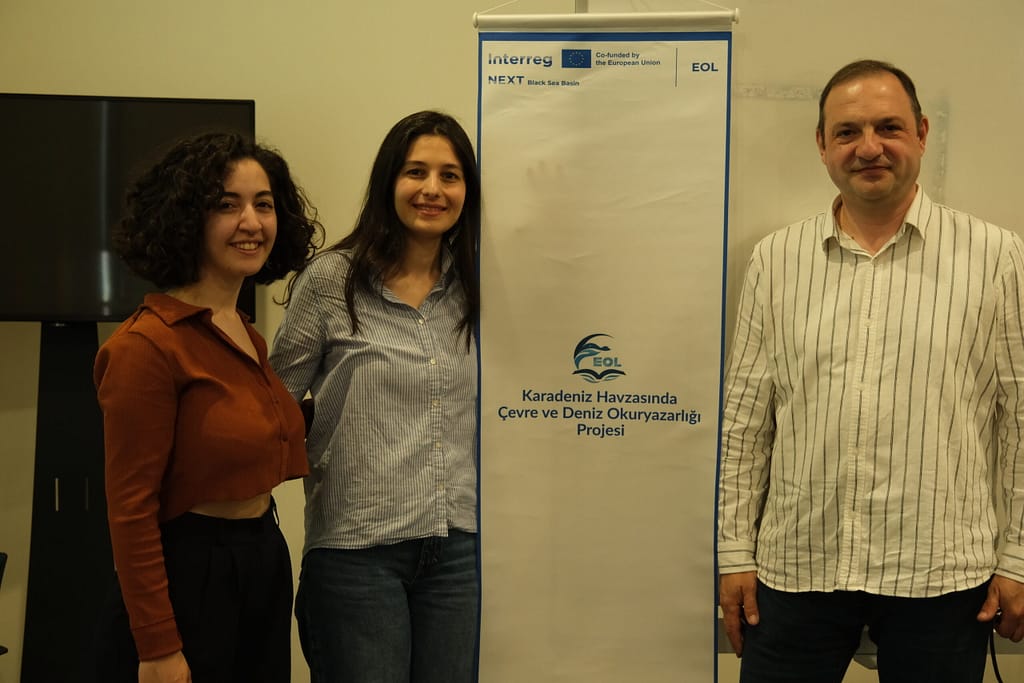
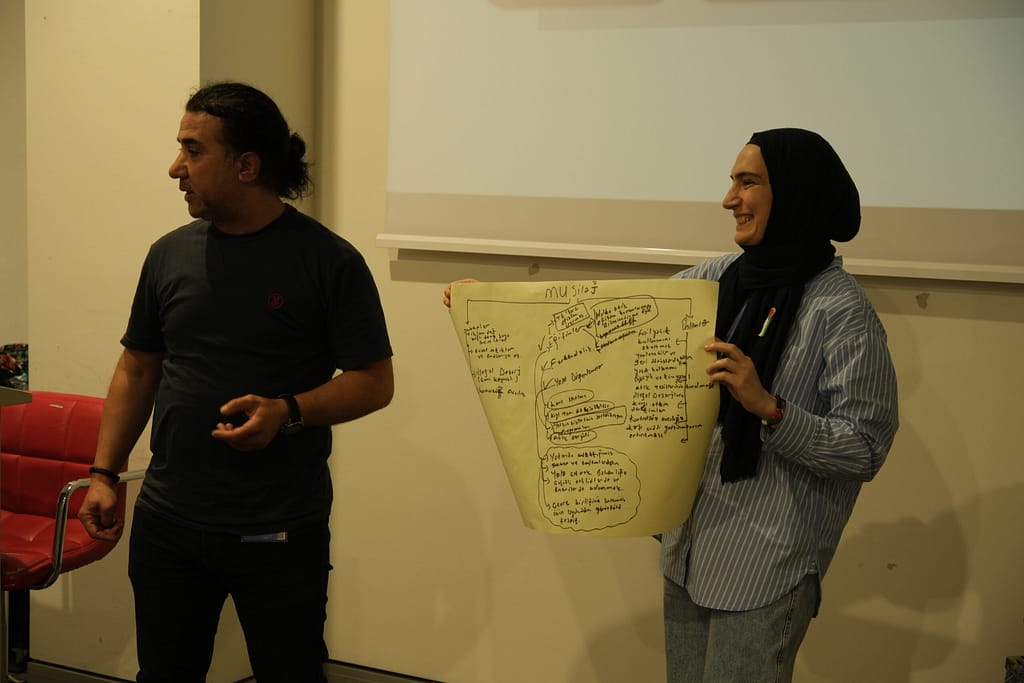
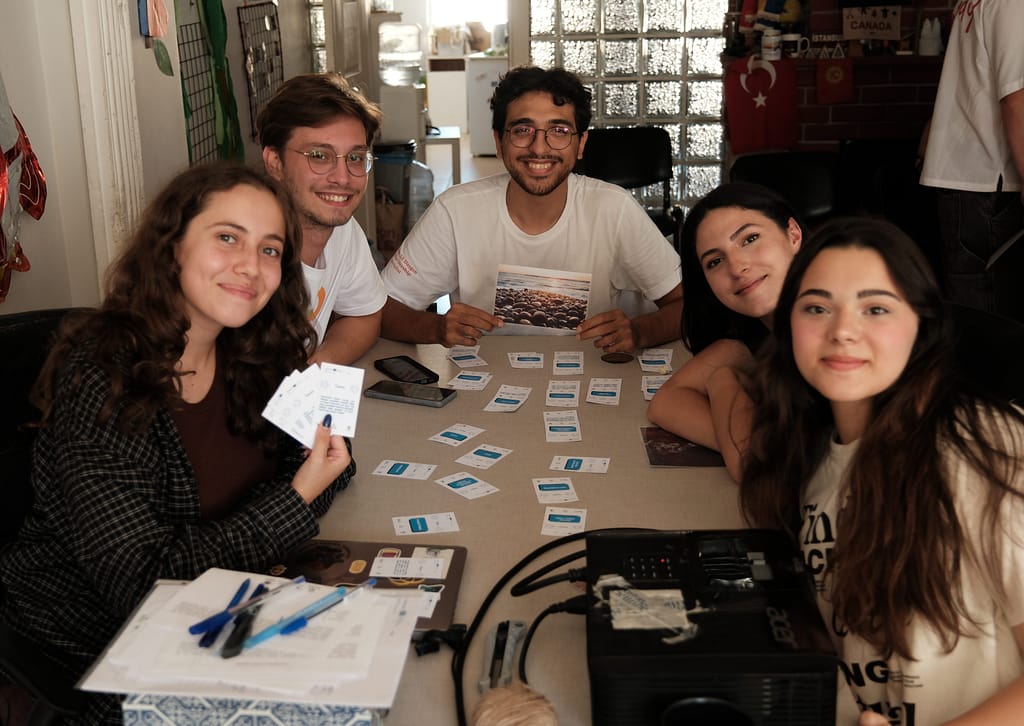
 Yuva Association develops and directly implements a number of projects focused on raising environmental awareness and promoting lifelong learning. One of these initiatives, “Environmental and Ocean Literacy in the Black Sea Basin Project”, supported by the Interreg NEXT Black Sea Basin Program, aims to develop environmental and ocean literacy as well as green competencies among young adults in cities along the Black Sea coast in Turkey, Bulgaria and Greece. In partnership with the Hellenic Society for the Protection of Nature (HSPN) from Greece and the NGO GreenBalkans from Bulgaria, the project aims to contribute to the protection of nature and biodiversity in the Black Sea Basin.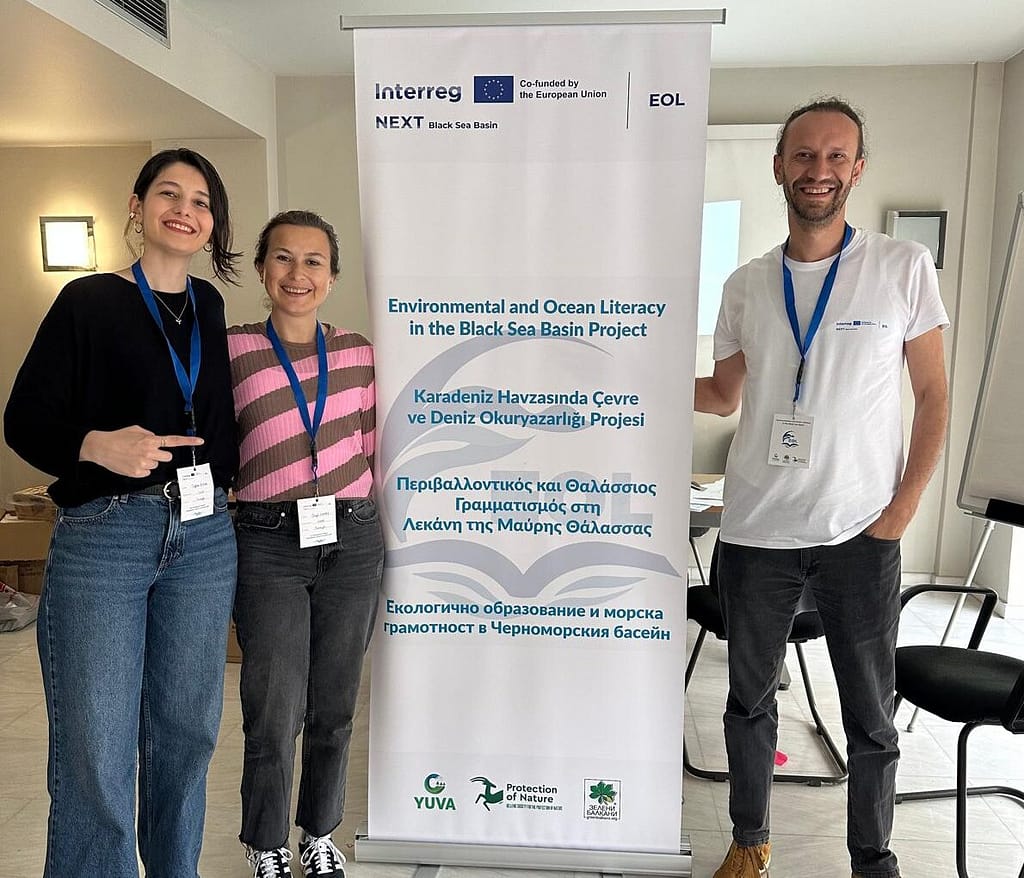

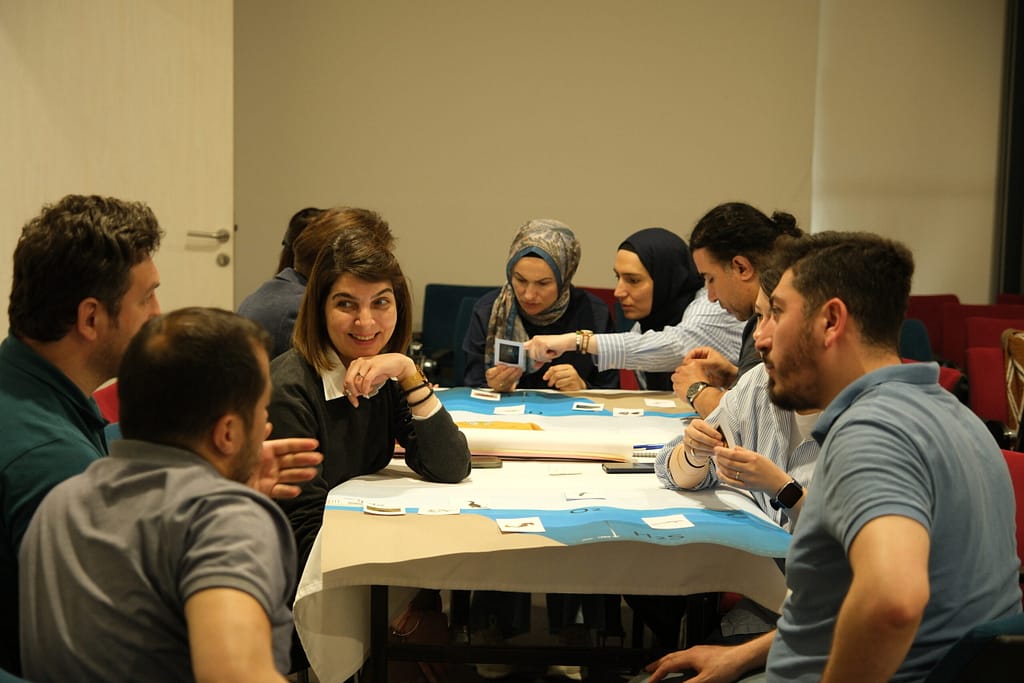


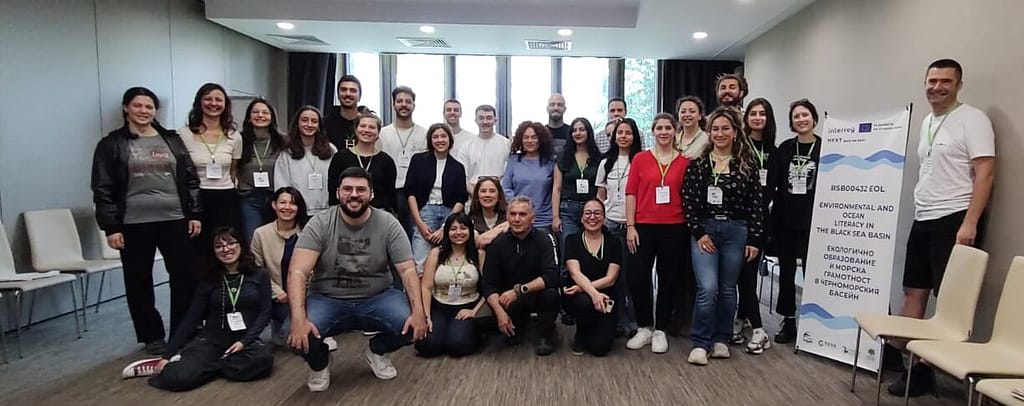





 The project includes the following activities: