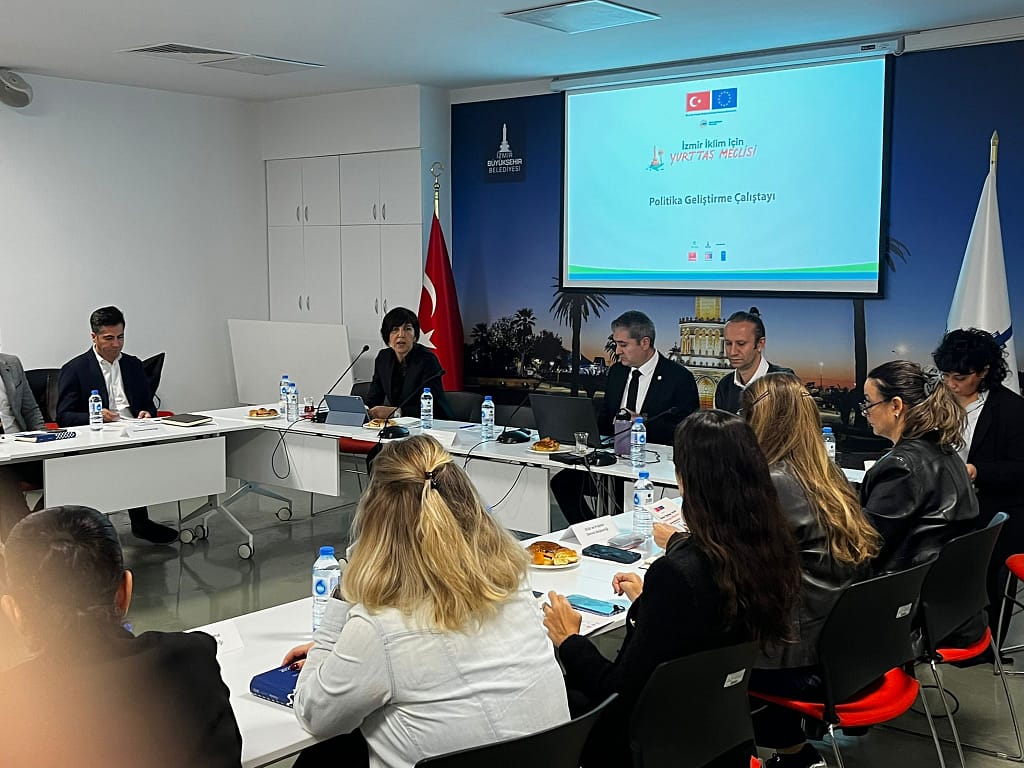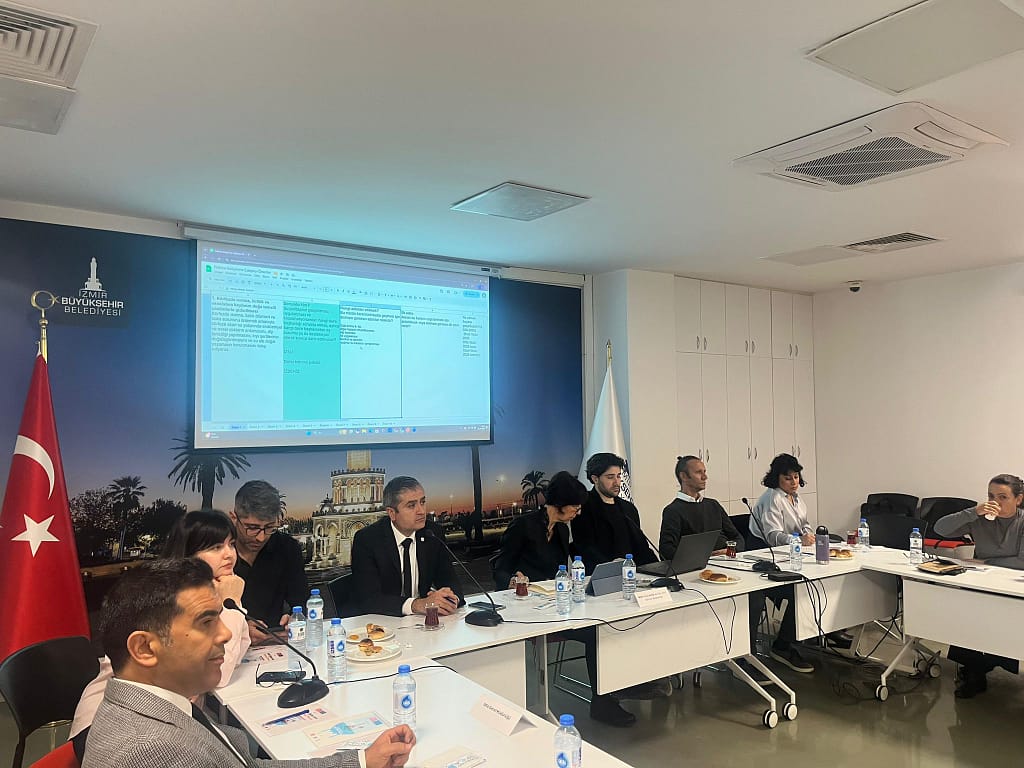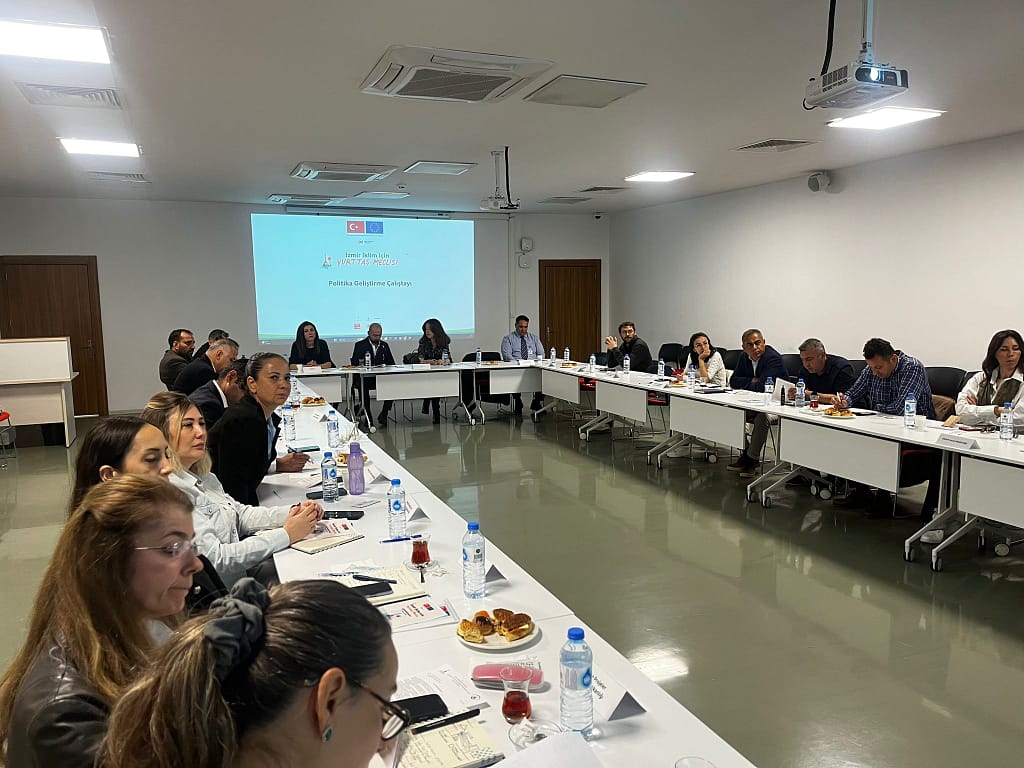
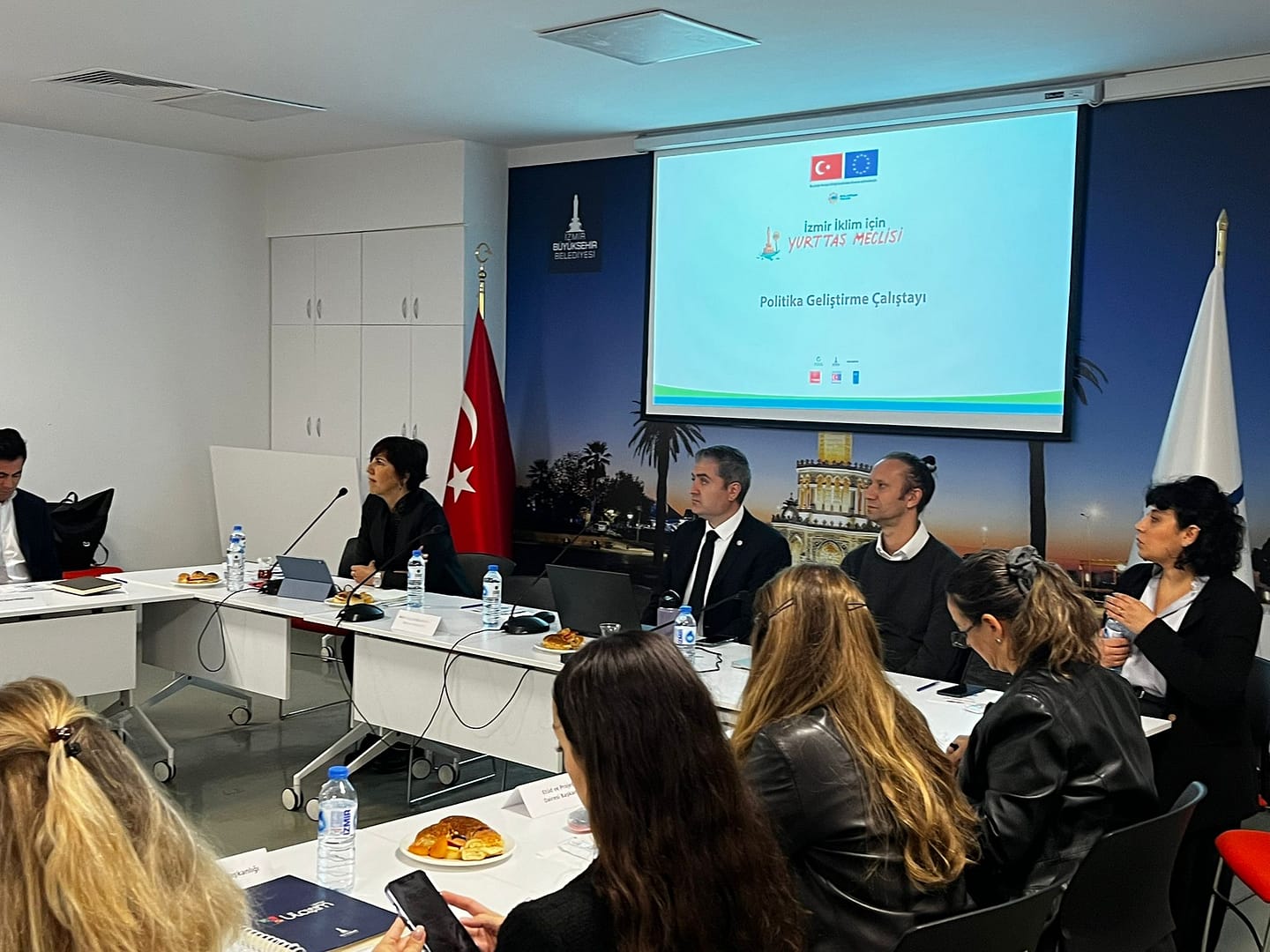
The nature-based solutions emerging from the Izmir Citizens’ Assembly for Climate, along with the solution proposals developed by citizens during the water management and health sessions, were brought together with 22 different departments of the municipality at a workshop. The departments jointly evaluated how they could incorporate the proposals prioritized by citizens in the final session into their own plans and programs. Concrete implementation opportunities were discussed under many proposal headings, such as combating the climate crisis, water management, green spaces, and urban health. Municipal representatives stated that they were open to developing new collaborations, reviewing existing projects, and making improvements, taking the Assembly’s proposals into consideration.
Thus, an important step was taken towards the solutions proposed by the Citizens’ Assembly becoming more than just wishes, but rather the cornerstones of a concrete roadmap that will be included in the agenda of municipal units and will inform the planning and implementation processes in the coming period.
The 30 proposals prioritized by the Assembly members and their scores, as discussed at the Policy Development Workshop
- Addressing warming, pollution, and ecosystem loss in the Gulf with nature-based solutions 161
- Protecting underground and surface water resources and researching alternative water sources 159
- Developing education and awareness programs on nature-based solutions 156
- Implementing water conservation education programs for children and adults 155
- Ensuring drinking water quality against temperature and pollution risks 154
- Promoting rainwater harvesting and efficient irrigation practices 152
- Planning and monitoring systems to prevent unconscious and uncontrolled water consumption 152
- Increasing shaded and cool pedestrian areas throughout the city 149
- Creating nature-based play and education areas for children 148
- Nature-based arrangements focused on heat and shading in transportation and pedestrian areas 148
- Ensuring public access to safe and sufficient water 148
- Reducing hot spots in the city with nature-based solutions 147
- Controlling the effects of temperature increases on waste management and hygiene 147
- Improving air conditioning and comfort standards in public transport 146
- Strengthening nature-based approaches in zoning and planning 145
- Increasing awareness and capacity regarding climate risks in healthcare institutions 144
- Closing the water cycle through the reuse of greywater and rainwater 143
- Preventing excessive water consumption and water leakage in buildings 141
- Developing climate awareness and a culture of social adaptation 141
- Preventing illegal well drilling and excessive water consumption 140
- Creating green corridors along coastlines and riverbanks 139
- Support mechanisms for climate resilience for chronically ill patients 139
- Monitoring zoonotic disease risks and increasing preventive awareness efforts 138
- Developing digital participation platforms in nature-based planning 137
- Widespread implementation of green and blue infrastructure applications 135
- Strengthening heat stress protection measures for outdoor workers 135
- Strengthening ecological corridors and green connection networks 132
- Creating city-scale solution models to reduce water consumption in car washes 132
- Protecting pets from heat stress 123
- Managing the effects of using purification devices in homes and workplaces 116